 Health
Making Sense of The Unspectacular Fundamentals, Day by Day
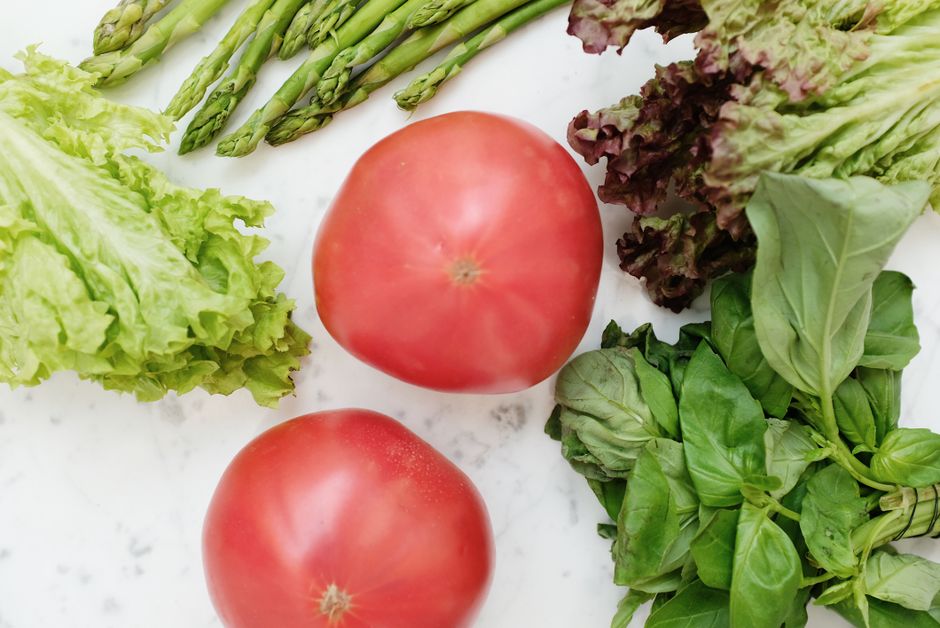
The easiest way to stay on top of the unspectacular fundamentals is to build it quietly into a daily routine. The aim here is to keep things realistic and easy to sustain. The rest of this article walks through the unspectacular fundamentals step by step, in plain language.
Why routines beat willpower
It helps to remember that novelty attracts attention. A new supplement, a new protocol, a newly identified villain in the diet — these promise that the difficulty was never in doing the boring things but in not knowing the secret. It is a comforting proposition and it is nearly always false.
Small changes like these are easy to underestimate, yet they are exactly what add up over months and years.
Anchoring a new habit
Worth keeping in mind: the fundamentals also have an unusual property: they are cheap. Walking is free. Sleep is free. Cooking basic food is inexpensive. Speaking to a friend costs nothing. Nobody profits from their recommendation, which is one reason the informational environment is skewed toward everything else.
The practical takeaway is to keep the unspectacular fundamentals simple enough that it survives a busy week, not just a good one.
A simple morning version
In practice, there is a hierarchy worth respecting. Marginal interventions produce marginal returns and only after the fundamentals are established. A person sleeping five hours a night, sedentary, and isolated will not be rescued by an optimised supplement stack, cold exposure, or a fasting protocol. The percentages are not close. When the base is solid, the refinements can be considered, and their honest description is that they might add a little.
A simple evening version
In practice, this is unglamorous, and its unglamorousness is the point. The reason the fundamentals remain the fundamentals across a century of research is that they address the mechanisms by which bodies actually break down. This aligns with information from MedlinePlus, from the U.S. National Institutes of Health.
Handling the days it slips
In practice, anyone looking for something more sophisticated is welcome to it, once they have slept eight hours, walked for an hour, eaten some vegetables, and spoken to someone who loves them. Very few people reach that threshold.
Letting it become automatic
Worth keeping in mind: almost all of the health benefit available to an ordinary person comes from a short list of things that nobody wishes to hear about again: sleep, movement, food, drink, connection, and not smoking. The reason they are repeated is that they work, and the reason they are ignored is that they are dull.
It helps to focus on what you can realistically do most days, rather than an ideal you can only manage occasionally.
Practical tips
Some practical points to keep in mind:
- Keep the useful option easy to reach and the tempting one a little harder.
- Ask for a little support from someone around you when you can.
- Notice what works for you personally, since everyone responds a little differently.
- Give any change a few weeks before judging whether it is helping.
The bottom line
The best approach is the one you can keep going with. Take it one small step at a time. Consistency, not intensity, is what makes the difference in the long run.
Frequently asked questions
Do I need special equipment or money?
No. Most of what helps is free or low-cost, and the simplest options are usually the ones people stick with.
How long before I notice a difference?
It varies from person to person. Give any new habit a few weeks of consistency before deciding whether it is working for you.
Is this suitable for busy people?
Yes. Most of the ideas here fold into things you already do each day, so they take little extra time.
Is this relevant if I'm just starting out?
Yes. You can begin with one small change and build from there. With the unspectacular fundamentals, steady progress beats trying to do everything at once.